The Ministry of Industry continues to strengthen the domestic automotive industry structure and accelerate the transformation towards a globally competitive electric vehicle ecosystem. This...
2 billion Muslims + ethical consumption trend: Halal pet food, the next trillion-dollar industry?
2026-05-19
Imagine 1Down,You give“furry friends”Their food, just like what you eat, adheres to the same stringent ethical, hygiene, and quality standards. For millions of pet owners worldwide, this is no longer a fantasy.The rise of halal pet food has made "human rights regarding pet diet" a reality.
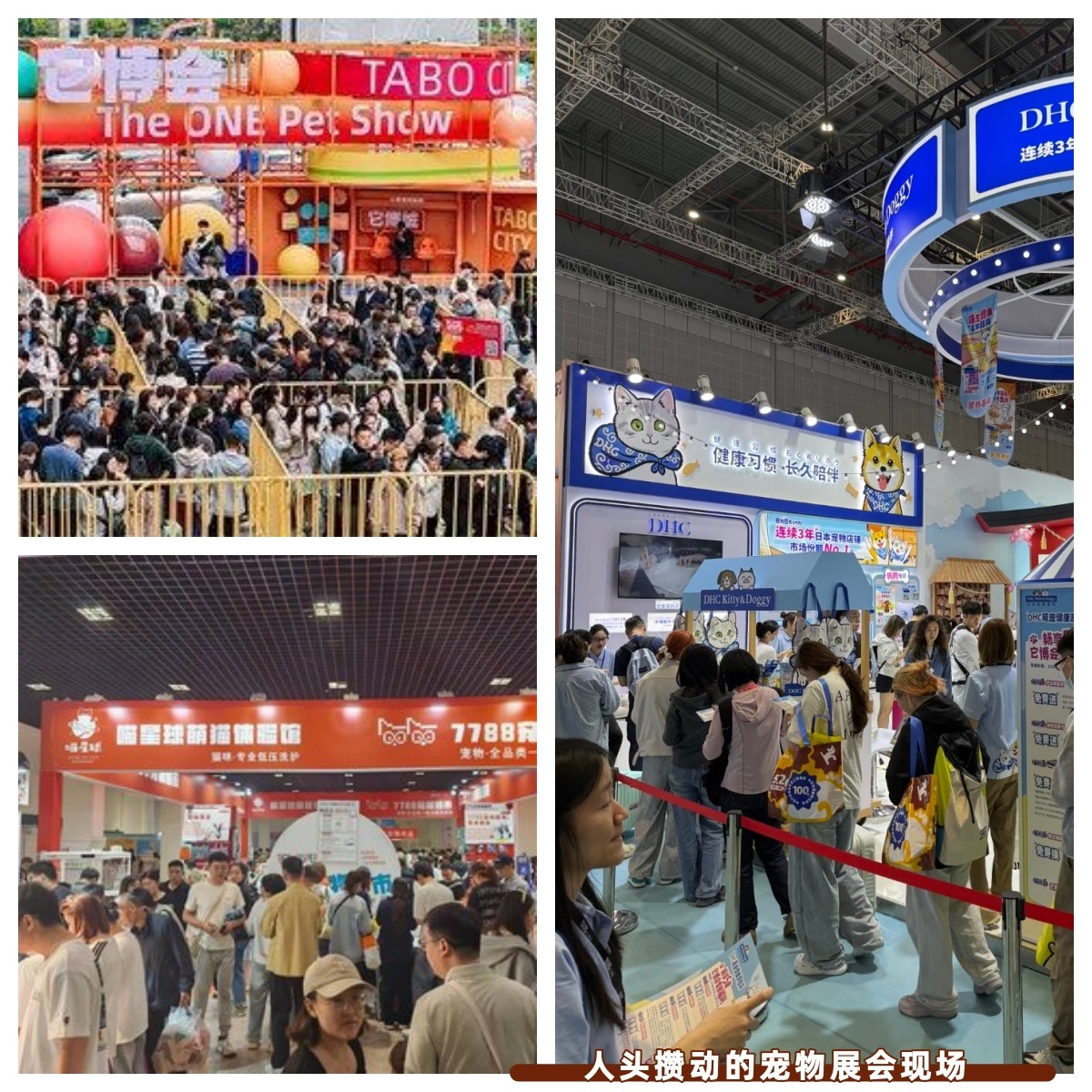
From initially serving a niche segment of the Muslim community to its current annual growth rate14% (far exceeding the average)Pet foodA global phenomenon with a growth rate of 6% and a scale exceeding $1.5 billion, halal...Pet foodIt is attracting the collective attention of brands, manufacturers, industry giants, and ethical consumers.
What exactly is it? And why are non-Muslims buying it so aggressively?What opportunities and challenges lie hidden in the market in 2026?
one,The opportunity has arrived: Why is halal pet food so popular worldwide?
Halal pet food, which complies with Islamic law, is primarily defined by the compliance of its ingredients.,ProductionPure process、No contamination or pollution is prohibited.
1. Market Size: Astonishing growth rate; a blue ocean market worth hundreds of billions is opening up.
The global Muslim population exceeds20With pet ownership rates continuing to rise, the number of pets is surging in Indonesia alone, and is projected to reach hundreds of millions by [date missing].The number of domestic cats will approach 5.9 million by the end of 2026.yes2018QuantityMore than double. The presence of millions of Muslim pet owners...Directly triggeredDemand for halal-certified pet food has surged in Muslim communities in Southeast Asia, the Middle East, and Europe and America.
according toAccording to a report by Grand View Research, the global halal pet food market is projected to reach $2.5 billion in 2025, with a compound annual growth rate of 7.8% from 2021 to 2028, far exceeding the growth rate of ordinary pet food.
2. Demand Logic: More Than Just Religious Beliefs, It's Also a Quality Label
For Muslim pet owners, halal certification is more than just a religious preference.,This is about how they take care of their pets.superiorMaintaining consistency is crucial. Halal certification for pet food means it contains no prohibited ingredients, such as pork or alcohol additives, and the entire production process must strictly adhere to clean and ethical sourcing standards. This includes ensuring that animal ingredients come from animals slaughtered in accordance with Islamic guidelines.
Interestingly, non-MuslimsConsumers alsoincreasingly beingHalal pet foodattract,Not only becauseHalal certificationRepresentsHigher hygiene and quality control standards,Not includedInfluencePet healthofadditive.The humanitarian spirit it embodiesAnd sustainable sourcing, which is popular among ethical consumers.Favor。
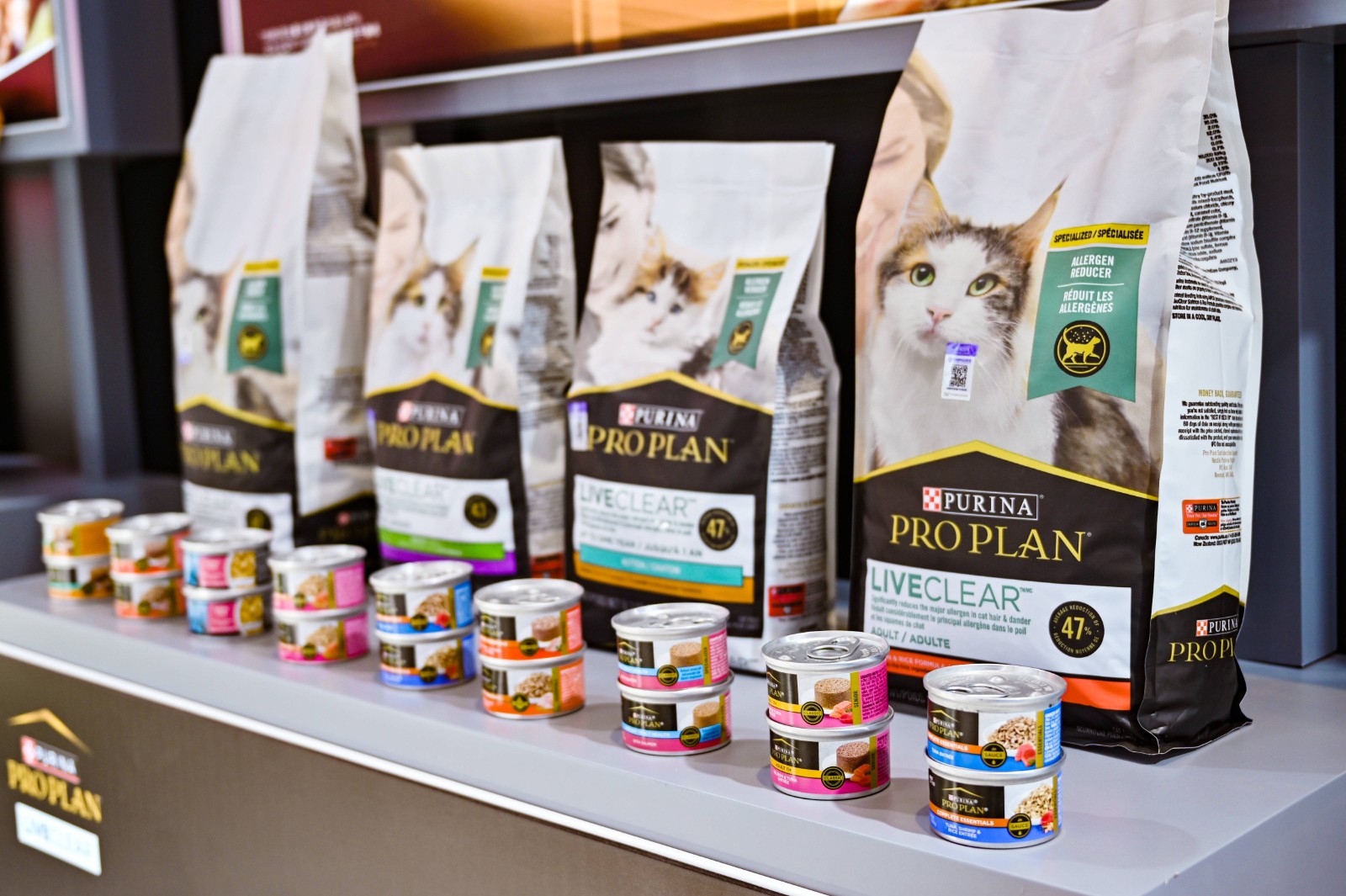
For pet food companies, havingHigher hygiene standards, strictergridQuality control and a more transparent supply chainofMuslimPet food,talentFit the worldThe growing trend of "responsible pet ownership" in Malaysia.ofPetCubes, UAEofAl Nassma, United KingdomofHealthy Pets,Nestlé Purina(Purina)Mars(Mars)waitinternational giantsAllHalal has been launchedProductionWireand related products。
II. Capitalizing on the Muslim Market: BusinessesHow to overcome the challenges??
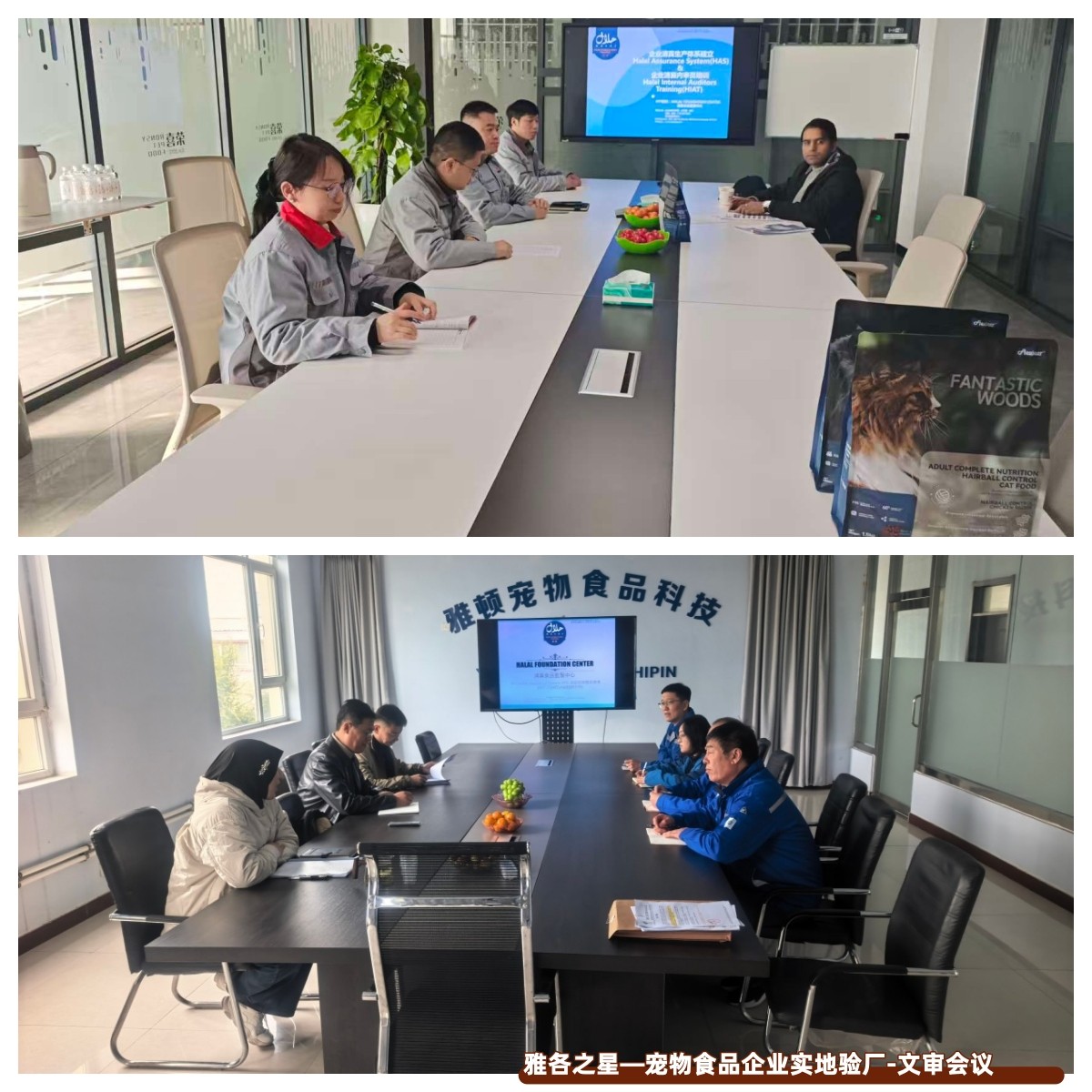
For pet food companies, winning...Halal certification means obtaining certification in the Muslim market.ofPermit. Pet food.ofHalal certification involves a comprehensive inspection of the entire production process, from raw material sourcing to packaging and labeling.In practice, companies will encounterdenseofdifficultyandMinefield。
1. Obsessive-compulsive review of raw material traceability and formula.
This isenterpriseEasiestThe "failure" occurred during this process. Halal certification considers not only the main ingredients but also even the smallest additives, down to one ten-thousandth of the ingredient.Each step is meticulously checked, including the English translation of raw material names. The manufacturing company must ensure consistency with the raw material supplier's translation; even reversing the word order can prevent the agency from verifying the authenticity and cleanliness of the raw materials, thus affecting the audit progress. These seemingly minor details are easily overlooked by companies and factories. Only service providers with extensive certification experience can keenly identify and assist companies in timely rectification during the initial data preparation stage, paving the way for subsequent certification work and on-site factory inspections.
· Meat: If the recipe contains beef, chicken, etc., a slaughter certificate must be provided to ensure that the meat was slaughtered by Muslims in accordance with Islamic law.
· Prohibited ingredients: Absolutely no pork, lard, pork skin gelatin, alcohol, blood products, etc. Many pet treats like to use..."Beer yeast" or alcoholic preservatives are illegal under halal standards and must be replaced.
· Hidden Additive Risks: Vitamins, palatability enhancers, and enzymes commonly used in pet food often originate from animals. For example, some vitamins...D3 may come from lanolin or lard derivatives, while gelatin may come from cattle bones from non-halal slaughterhouses.Enterprises shouldsupplierRequestHalal certificates for each batch of raw materials cannot be obtained if a link in the upstream supply chain is broken.
2. "Absolute isolation" between production lines and equipment
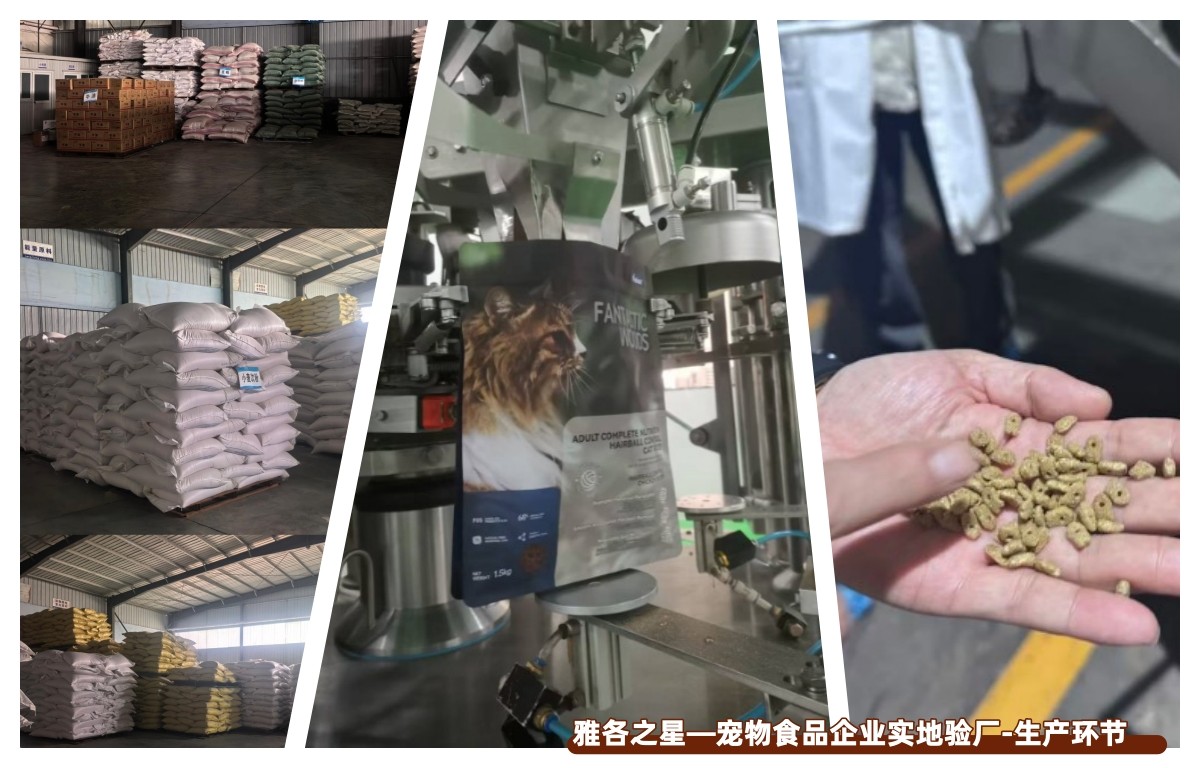
For companies that produce both regular food (containing non-halal ingredients) and halal food,Need to doPhysical isolation of the production line.
· Specialized equipment requirements:Halal certification requires that the certified products have independentdedicatedofproduction lineorThe workshop avoids cross-contact with non-halal ingredients throughout the entire process.,Equipment, tools, and packaging must all be clean and compliant.partThe certification requirements are extremely high, even stipulating that equipment previously used to produce non-halal food (especially food containing pork) is strictly prohibited from being used directly to produce halal products, even after cleaning. This means...enterpriseWe need to purchase a brand new dedicated production line.
· To prevent cross-contamination: If a shared factory must be used, strict physical separation is required (separate warehouses, separate workshops). Logistics vehicles must also be dedicated to their intended use, or thoroughly cleaned before transport and with cleaning records provided, to prevent mixing with non-halal goods.
3. The problem of inconsistent international standards and mutual recognition
Different countries have different understandings of halal, leading toAchieving "one certificate for all purposes" is difficult.
· Choosing a certification body is difficult: there is no single halal standard globally. (Malaysia's...)JAKIM and IndonesiaBPJPHBoth are globally recognized as the most authoritative, but their review processes and focuses differ. If a product is to be exported to multiple countries,enterpriseneedAccording to the specific requirements of the export marketApplying for multiple certifications adds significant time and financial costs.
4. The pressure of continuous compliance and document management
Obtaining the certificate is just the beginning; subsequent maintenance is another matter.It should not be ignored。
· Dynamic monitoring: Certification bodies will conduct unannounced surprise inspections. If any issues are found...enterpriseIf a supplier is changed but not reported, or if production records are incomplete, the certificate may be suspended or revoked at any time.
· The documentation chain is long: from raw material procurement, warehousing, production to shipment, every step requires detailed records. Especially for imported raw materials, halal certificates from the country of origin and complete translations are required; any oversight in any step will lead to audit failure.
Tips for avoiding pitfalls
ifenterpriseDecided to begin processingHalal certification,Star of JacobsuggestionyouFirst, perform these three self-checks:
1. Inventory the formula: List all raw materials (including trace additives) and check them one by one for alcohol, pork-derived ingredients, or animal ingredients of unknown origin.
2. Assess the production line: Confirm whether the production line has come into contact with prohibited substances. If it is a newly built factory, it is recommended to design it directly according to halal standards; if it is an existing factory, assess whether a dedicated production line needs to be added.
3. Define the target market: Determine where the product will primarily be sold (e.g., if the main target market is Indonesia, choose BPJPH).MalaysiaChoose(JAKIM) Avoid blindly applying for unrecognized certificates.
threeConclusion: The next big opportunity in the pet economy belongs to..."Halal Track"
When pets are no longer justIt's not about "spending time together," but about becoming a member of the family.,Pet food has already jumped out of the boxThe focus is shifting from basic necessities to higher quality, ethical standards, and compliance. The rise of halal pet food is more than just a trend.,This reflects a broader shift in consumer behavior, from product-centric to product-centric.BasicDemand toentireThe desire for greater transparency in the supply chain.
From a niche market to a new engine for growth in the global pet economy, halal pet food is poised to become a significant player in the global pet care industry, proving that what is beneficial to humans can also be beneficial to pets.