According to Indonesian Government Decree No. 42 of 2024 (PERATURAN PEMERINTAH R...
From a bonus to a hard barrier: Halal certification becomes a new key to unlocking Indonesia's trillion-dollar consumer market.
2026-05-29
In the past, most companies assumed that halal certification only applied to products that come into direct contact with the human body and are ingested, such as food, cosmetics, and pharmaceuticals. However, this outdated thinking is now completely obsolete.
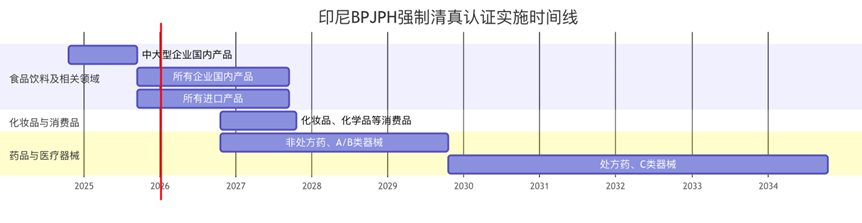
According to the Indonesian government2024 Government Regulation Number 42 of the Republic of Indonesia (Government Regulation of the Republic of Indonesia Number 42 of 2024)DeadlineOctober 2026,Entering the Indonesian marketFashion apparel, leather goods, shoes, bags, accessories, handicrafts, and other mass-market consumer goods.The bell will ringMandatory Halal CertificationCountdown alarmProducts that have not been certified within the specified timeframe must be labeled before entering the Indonesian market."Non-halal" label。
This marks the third time Indonesia has expanded its mandatory halal certification program, following food, cosmetics, and pharmaceuticals. It signifies that halal certification has officially evolved from a vertical industry qualification to a mandatory entry requirement for consumer goods exported to Indonesia.
No certification, no market. For companies aiming to establish a presence in the Indonesian market and cultivate the Southeast Asian overseas market, the time left for preparation is extremely limited.
one.Why do clothing and leather consumer goods also need halal certification?
Many businesses are puzzled by this: If clothes, bags, and handicrafts are not edible, why should they also comply with halal regulations?
Here we need to correct a common misconception: Halal compliance control is never just about...It's not about the "entry point product," but the entire product lifecycle.
Islamic law's review of consumer goods covers the entire supply chain, from raw material selection and production to the addition of auxiliary materials, warehousing, and transportation. Key review details include:
·Whether the slaughtering and harvesting methods for animal-derived raw materials such as leather and plush are compliant;
·Whether the glues, dyes, greases, and coating additives used in the production contain prohibited ingredients such as pork derivatives and alcohol;
·Are production lines, warehouses, and transport vehicles used in conjunction with non-halal products, causing cross-contamination?
·Do the upstream and downstream suppliers have complete qualifications? Can all raw materials be traceable throughout the entire process?
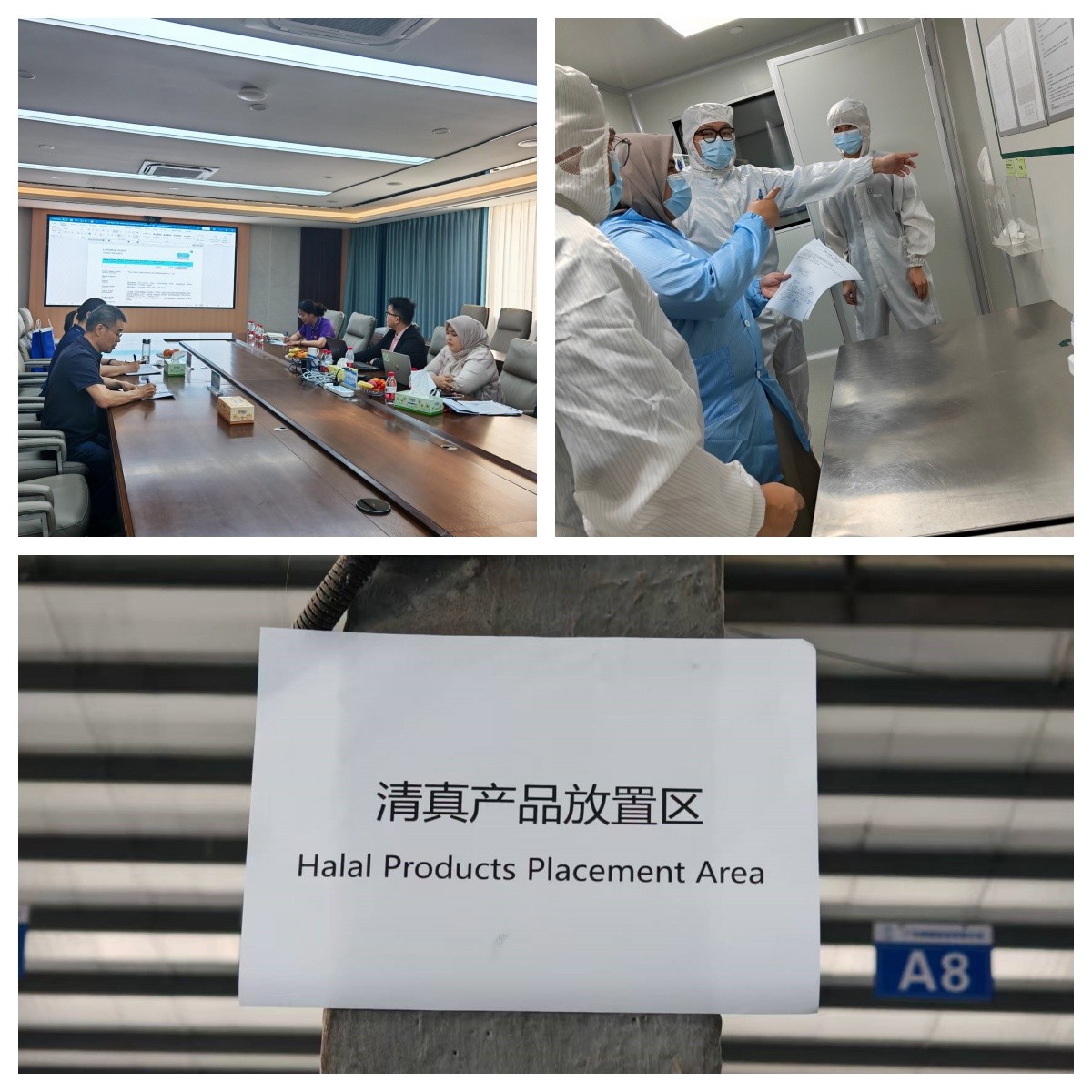
In short: as long as the production process of a product involves animal raw materials or chemical auxiliaries, it must undergo halal compliance audits. This is the core reason why the new policy covers all categories of consumer goods.
two.Which companies will be directly affected by the new policy?
This policy has a very broad scope, covering the entire upstream and downstream industry chain. The following five types of enterprises must make preparations in advance to avoid the risks of going global:
1. Enterprises exporting end-consumer goods
It is a manufacturing enterprise that mainly produces women's and men's clothing, sports shoes and bags, leather goods and luggage, jewelry and accessories, home furnishings, and various handicrafts, and mainly exports to the Indonesian market.
2. Brand owners and trading companies
Brands that operate without their own production lines and through outsourcing must assume responsibility for supply chain compliance, and all employees of their products sold must be certified.
3. Upstream raw material suppliers
Upstream suppliers that provide leather fabrics, textile dyes, special adhesives, coating materials, and special packaging to various factories are the foundation of compliance audits.
4. Indonesian cross-border e-commerce sellers
Indonesian government authorities are strengthening oversight of e-commerce platforms, including but not limited to...Platforms such as TikTok, Shopee, and Tokopedia.Set upTheseFor cross-border sellers on the platform, the new regulations will be implemented subsequently.Uncertified products will face the risk of being directly removed from shelves and banned from sale.
5. OEM/ODM manufacturers
Currently, overseas buyers are gradually incorporating halal certification into their procurement evaluation criteria; factories that fail to complete compliance upgrades will directly lose high-quality overseas orders in the future.
three.With short processing times and stringent approval processes, how should businesses prepare at this stage?
distanceThe policy will be implemented in October 2026, with only a few days left.less5 monthsConsidering the time required for document review, on-site factory inspections, problem rectification, and official approvals, companies have very limited time to prepare. We recommend that companies follow these five steps to systematically complete their compliance arrangements:
Step 1: Inventory products and define the scope of certification.
We reviewed the company's complete product list, identified categories such as apparel, footwear, bags, and leather goods that are affected by the new policy, and prioritized certifications based on raw material formulations and production line layouts.
Step 2: Trace the source of auxiliary materials and investigate compliance risks.
The focus is on investigating high-risk materials such as animal-derived raw materials, production adhesives, dyeing auxiliaries, and surface treatment oils, and requesting ingredient reports and compliance certificates from upstream and downstream suppliers to mitigate risks at the source.
Step 3: Establish a dedicated halal management system
Halal certification is not a single certificate, but a long-term management system. Companies need to establish a complete set of management systems, including procurement control, production isolation, warehouse zoning, dedicated logistics lines, employee training, and internal audits.
Step 4: Connect with professional certification bodies
The review standards and documentation requirements vary significantly depending on the type of consumer product. It is recommended to consult with a compliance service provider in advance to clarify these requirements.BPJPH certification complete process, fee standards and review cycle, and customized adaptation solutions.
Step 5: Stagger the application period and allow time for rectification.
As policies near their implementation, there will be a surge in applications from companies, leading to long waiting lists for approval. Applying in advance not only avoids congestion but also allows sufficient time for rectification, preventing last-minute efforts from disrupting overseas expansion plans.
Four.Compliance is the bottom line, but more importantly, it's an opportunity to seize opportunities in untapped markets.
Undeniably, mandatory halal certification will increase companies' production and operating costs in the short term, but from the perspective of long-term overseas expansion strategies, it is a highly cost-effective investment.
Indonesia possessesovertake2.8With a population of 1.4 billion, Indonesia is the world's largest Muslim-majority country, boasting a massive consumer market. Meanwhile, the Indonesian government is making every effort to achieve its goals.In 2028, the Global Halal Industry Center will be established, and local consumers will have a much higher preference for and trust in halal-compliant products than in ordinary products.
TakeBPJPH Halal certification brings dual benefits to businesses:
✅ Meets official regulatory requirements, opens up access to the Indonesian market, and avoids customs clearance and delisting risks;
✅ Create product differentiation labels, enhance brand premium, and simultaneously reach Muslim markets such as Malaysia, the Middle East, and North Africa.
five.In conclusion: Avoid passive waiting; proactive planning is the key.
Every industry policy change weeds out the onlookers and rewards the pioneers.
The new mandatory certification policy in October 2026 may seem to have a buffer period, but for halal certification, which has a complex industry chain and a strict audit process, it has already entered the countdown stage.
If companies wait until the policy is officially implemented before starting the application process, they will only find themselves in a predicament of being forced to wait in line, making emergency rectifications, and missing out on orders.
Rather than passively complying with regulations, it's better to proactively plan ahead.
If you have not completed the product risk assessment or are unfamiliar with itBPJPH certification rules can be implemented as soon as possible.Contact UsWe provide a one-stop service for product testing, system setup, factory audits, and certificate application, enabling you to steadily seize the opportunities in the Southeast Asian consumer goods export market.
Indonesia's new halal policy is coming in 2026. Are you ready?