According to Indonesian Government Decree No. 42 of 2024 (PERATURAN PEMERINTAH R...
Halal raw material suppliers – the core of building a trustworthy supply chain
2026-04-17
As the starting point of the halal supply chain, raw material suppliers play a crucial role in ensuring the halal status of products is clearly identifiable during the halal certification process. (Indonesia Halal Product Assurance Agency)(LPPOM) emphasizes that standardized management at the raw material supplier level is the foundation of halal traceability and compliance, which is especially important for SMEs that rely on these raw materials. Comprehensive documentation, clear zoning and segregation, and transparent information disclosure are core to maintaining halal compliance, enabling raw material suppliers to become the frontline in strengthening the halal ecosystem and consumer trust.
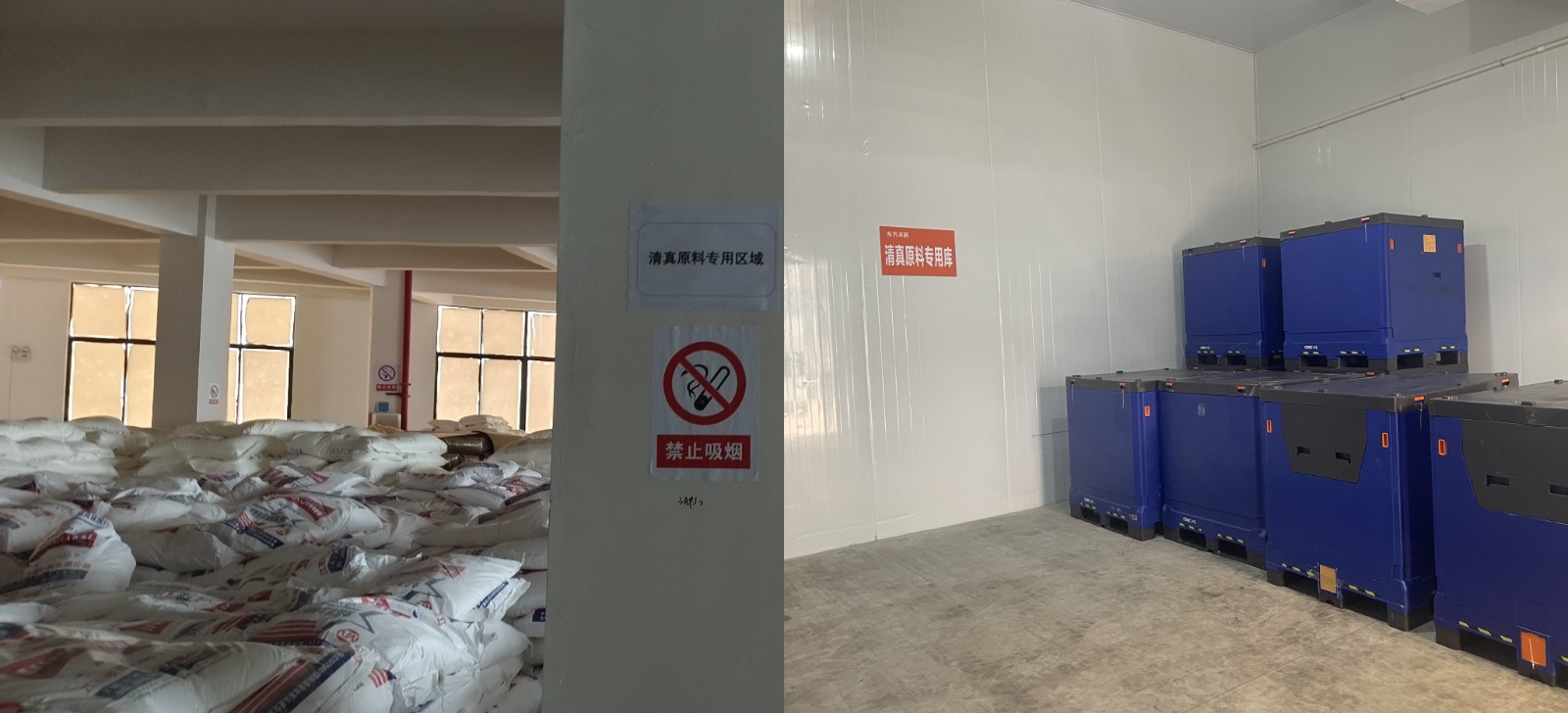
The halal supply chain still faces numerous challenges. One of these is the risk of contamination from non-halal ingredients in the distribution and warehousing stages due to a lack of strict separation. Practices such as mixing ingredients in warehouses, using the same transport vehicles without adhering to standard cleaning procedures, and unclear labeling can all lead to non-halal certification compliance risks.
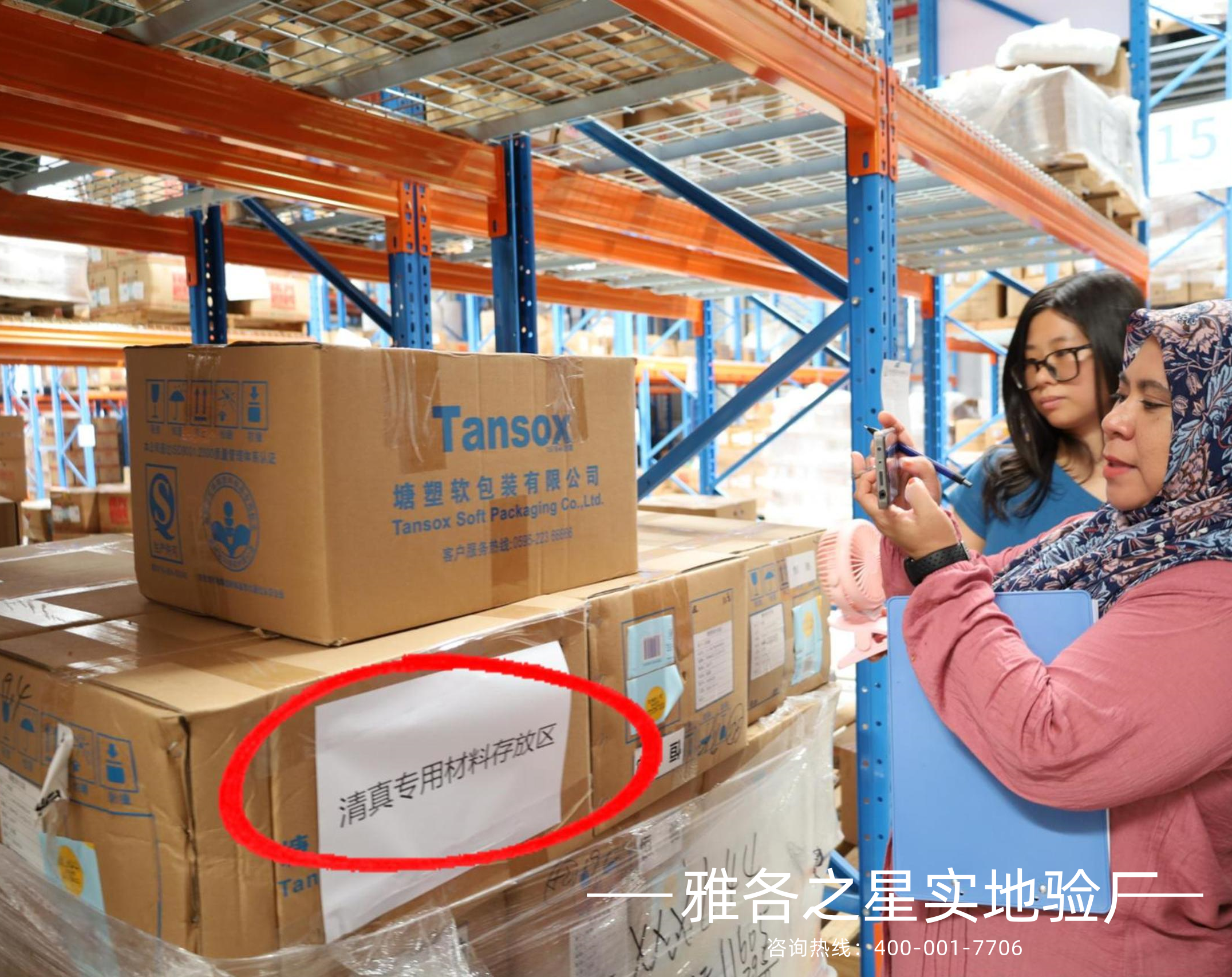
Raw material suppliers hold a strategic position in the halal ecosystem, and this is especially important if they are one of the main sources for companies applying for or planning to apply for halal certification. If the halal status of raw materials purchased by a company cannot be clearly traced, its certification process will be significantly delayed. Therefore, the management of halal raw material suppliers requires close attention.
Ade Suherman, S.Si., a halal auditor at LPPOM's Halal Inspection Body (LPH), stated that the ability of raw material suppliers to identify and manage raw materials is a key factor in maintaining halal compliance throughout the supply chain. First and foremost, it is crucial to categorize raw materials or products into three types: halal raw materials with strong supporting documentation such as halal certificates; strict separation of halal and non-halal products sold; and further verification of raw materials or products with unclear halal status.
Ade explained, “This classification ability requires operators to be familiar with halal certificates, ingredient composition, and supporting documents. In practice, many raw materials are sold in repackaged, small-packaged, or even unlabeled forms, making it difficult to trace their origin, which often presents challenges.”
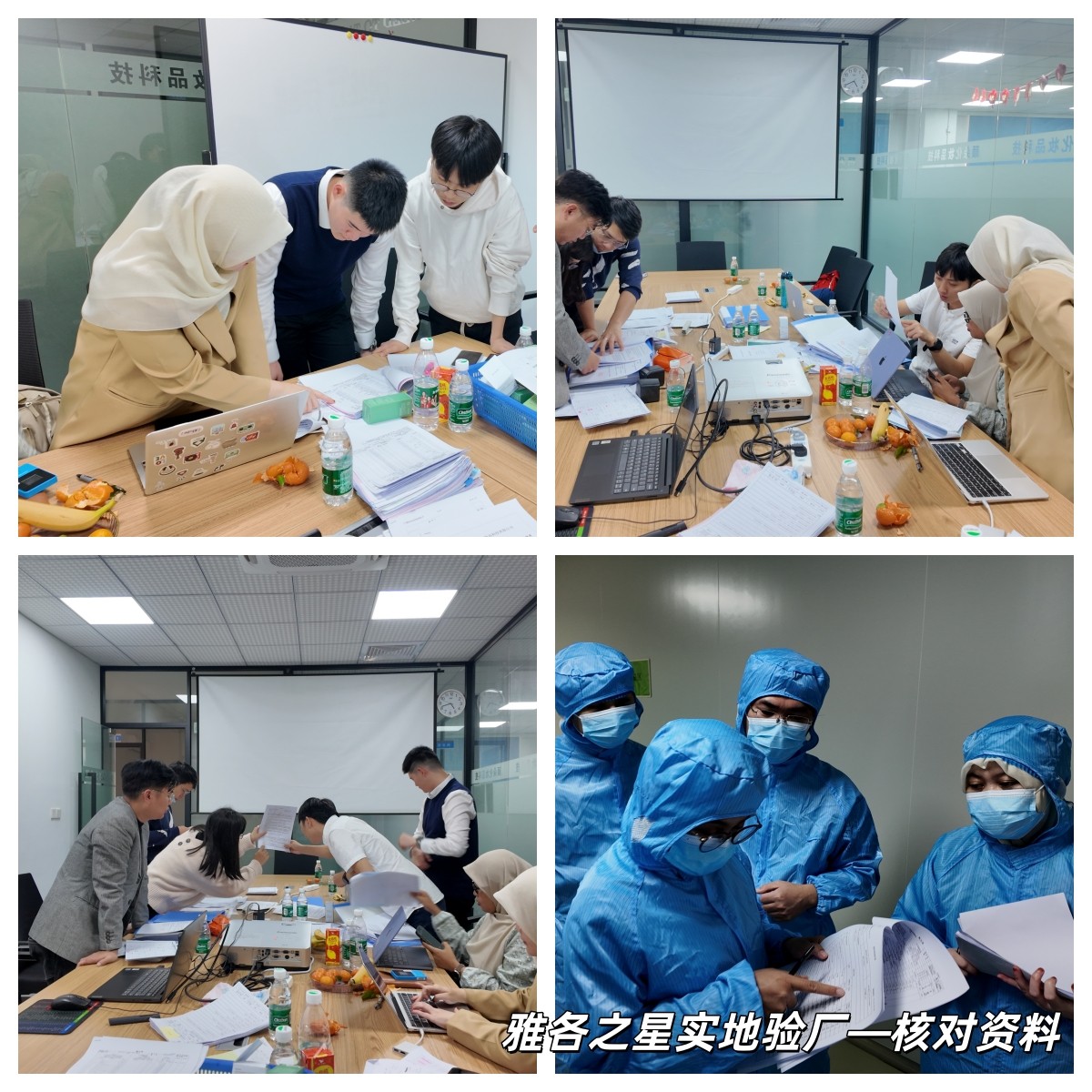
Furthermore, business operators still lack sufficient halal literacy and have limited understanding of the importance of supporting documentation such as halal certificates for ingredients, technical specifications, and traceability documents. Halal product assurance organizations...Departments such as BPJPH emphasized that a comprehensive halal protection system must be built from upstream to downstream.
Another challenge lies in ensuring suppliers update their certification documents and provide transparent and consistent ingredient composition, especially for imported raw materials or those containing technically named key ingredients. If raw material suppliers lack robust oversight and commitment, non-compliance risks can lead to delays in the halal certification process and even the revocation of halal status for products.
Ade added, “Micro, small, and medium-sized businesses often find it difficult to obtain halal documentation from suppliers, verify the authenticity of halal labels on packaging, or trace relabeled or repackaged raw materials. Therefore, educating raw material suppliers about the importance of halal certification is crucial to ensuring a compliant supply chain.”
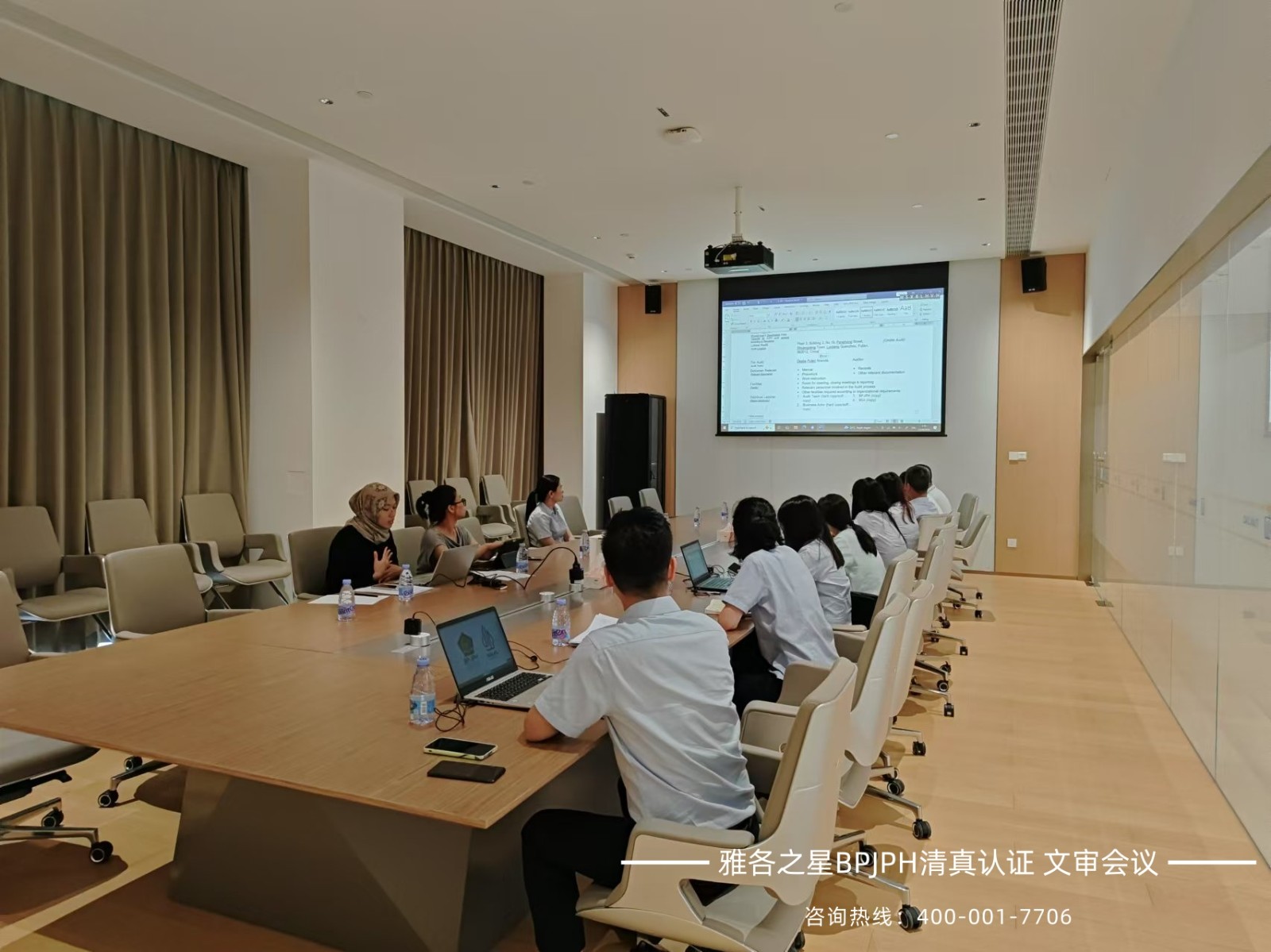
Therefore, strengthening raw material warehouse management includes: separating storage areas, recording inventory by batch, regularly verifying documents, and conducting customer education. Through standardized governance, raw material suppliers can not only serve as distribution nodes but also become strategic partners in maintaining the compliance and sustainability of the halal ecosystem.
He further emphasized that raw material warehouses are one of the most frequent points of contact for companies applying for halal certification. If the halal status of the materials they purchase is unclear, the audit process may be delayed or even fail. This indicates that ensuring the halal status of raw material warehouses will directly accelerate the halal certification process for companies.
Halal raw material warehouses are not just trading venues, but also the crucial source determining the quality and halal compliance of downstream products. With strong identification capabilities, clear isolation measures, and a commitment to raw material traceability, suppliers can proactively contribute to strengthening the halal ecosystem and help companies obtain certification more easily.
In response,LPPOM's Halal Inspection Body (LPH) also collaborates with government projects to provide businesses with full assistance throughout the halal certification process. These initiatives aim to ensure public access to halal products while bringing safety and trust to Muslim consumers in Indonesia and around the world.
This commitment is reflected not only in inspection services and certification assistance, but also in the continuous strengthening of halal literacy. The organization regularly conducts various educational and training activities to help business operators gain a deeper understanding of the systematic and documented halal product assurance system.The importance of (SJPH).