According to Indonesian Government Decree No. 42 of 2024 (PERATURAN PEMERINTAH R...
Beware! Nonwoven fabric exports face new hurdles; Halal and Vegan certifications become "passports" to overseas orders.
2026-04-17
Recent conversations with several nonwoven fabric exporters revealed a general consensus of significantly increased operational pressure: fierce competition in the domestic market due to product homogeneity, with price wars escalating to a fever pitch and product prices plummeting to less than 20,000 yuan per ton. While order volumes remain decent, profit margins are severely squeezed, leaving them essentially in a predicament of having orders but no profits. Furthermore, when expanding into overseas markets such as the Middle East and Europe, even successfully securing large orders, the core entry requirements of these clients are concentrated on…Halal and Vegan certifications are often required, which directly limits most domestic factories due to a lack of relevant qualifications, resulting in frequent order losses.
It is no exaggeration to say that entering By 2026, Halal and Vegan certifications had become core entry barriers and a survival requirement for nonwoven fabric export companies. This article will systematically analyze the key value and necessity of these two certifications for nonwoven fabric production and export companies, based on industry realities.
I. Current Status of the Nonwoven Fabric Industry: Output Increased, Profits Decreased
Let's look at some disheartening data first:In 2024, the Chinese nonwoven fabric market was estimated to be worth approximately 135-140 billion yuan, with a production volume of 8.561 million tons. While the scale is substantial, the problems lie in overcapacity and severe internal competition within the industry.
More alarmingly, demand for traditional medical and hygiene nonwoven fabrics is leveling off, and market competition has become fierce. Where will future growth points lie? New energy vehicle interiors, cleaning materials, food packaging, and personal care products.These are the core driving forces for 2026 and the next five years.
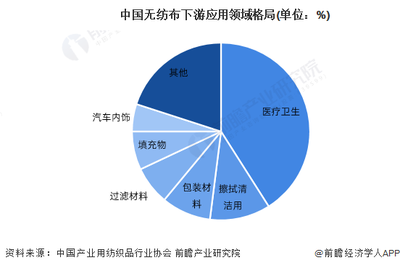
And it is precisely these emerging fields that are crucial for...Halal and Vegan certifications are in high demand.
II. Why Your Nonwoven Fabric NeedsHalal certification?
Reason 1:A $5.7 trillion market, are you sure you don't want to get in?
According to the latest report released by EO Intelligence...The "2026 Global Halal Industry and Market Access White Paper" shows that the total size of the global halal industry (including food, finance, fashion, tourism, cosmetics, etc.) is expected to exceed US$5.7 trillion in 2026.
What does $5.7 trillion mean? There are over 2 billion Muslim consumers worldwide, a number projected to reach 2.7 billion by 2030. Nonwoven fabrics are widely used in personal care products, hygiene products, and packaging materials, all of which are directly or indirectly included in the scope of Halal certification.
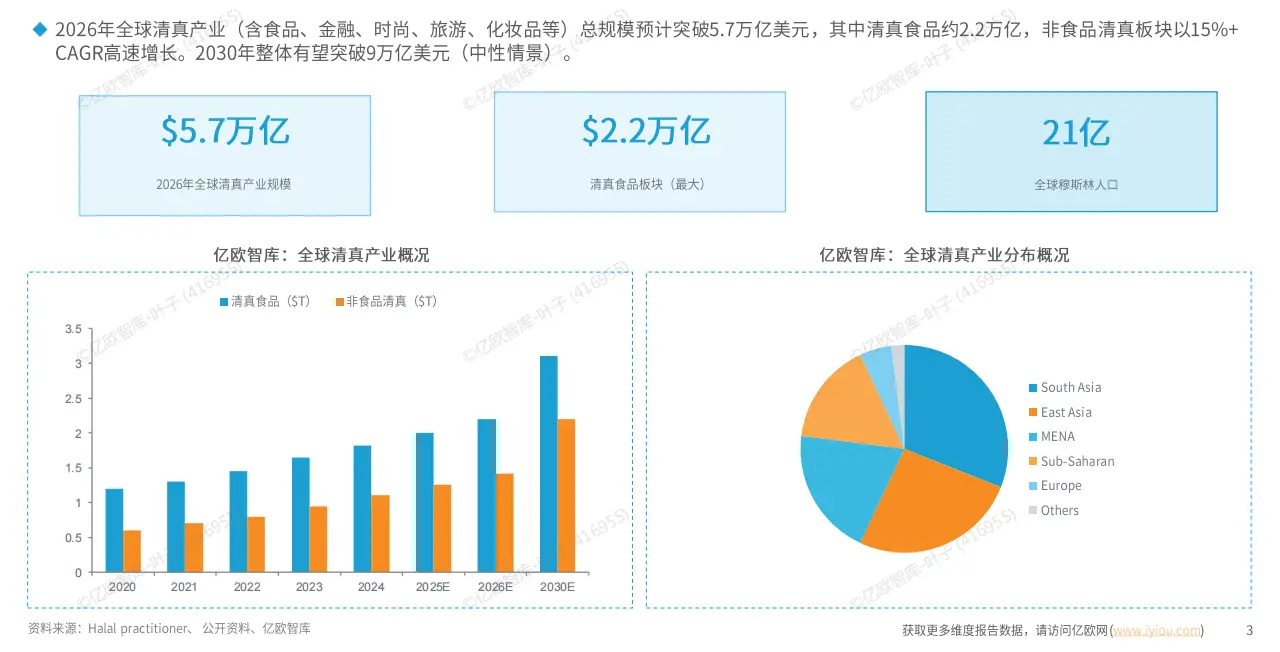
Indonesia, Malaysia, and Saudi Arabia together dominate the global halal consumer market.A 60% market share. Especially in Indonesia—with the world's largest Muslim consumer population—its BPJPH mandatory halal certification policy has extended the deadline for import product certification to the end of 2026, leaving less than six months until then. Missing this window will effectively shut your products out of the Indonesian market.
Reason 2: Nonwoven fabric companies naturally have an advantage in obtaining certifications.
Many bosses, upon hearing thisHalal was worried about the complexity of the raw materials and the need to modify the production line. In fact, for the company, the raw material structure of nonwoven fabric is its biggest inherent advantage.
non-woven fabricOver 80% of the raw materials are chemical fibers, with polypropylene (PP) and polyester (PET) being the most widely used. These synthetic fibers themselves do not contain any animal-derived ingredients, naturally meeting the cleanliness requirements for Halal certification. As long as it is confirmed that there are no animal-derived ingredients in the additives, coatings, and adhesives, and the production line implements effective cross-contamination prevention management, the certification pass rate is very high.
III. WhyIs vegan certification an "invisible necessity" in the European and American markets?
IfHalal certification is the key to entry for nonwoven fabric companies into the Middle East and Southeast Asian markets, while Vegan certification is the green passport to enter the high-end markets of Europe and America.
The global plant-based food market is growing at an astonishing rate. According to...According to Statista data, the global plant-based food market is projected to reach approximately $77.8 billion by 2025. This market size is expected to expand further by 2030.
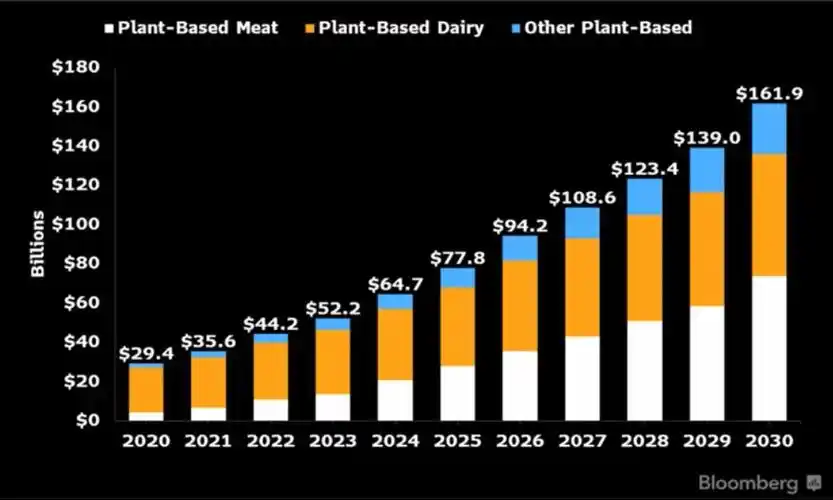
Sales of plant-based foods have continued to grow annually in six European countries, and this consumer trend has fully permeated the non-food sector.Vegan certification requires products to be free of any animal ingredients, byproducts, or derivatives, and to be free of animal testing. It covers more than 60 industries, including food, cosmetics, and textiles.
Non-woven fabricsThe core requirements for Vegan certification:
raw material100% Vegan: No animal-derived fibers (such as wool or silk) may be used, nor may chemical auxiliaries or dyes containing animal ingredients be used.
Zero animal testing: Animal testing of any kind is prohibited throughout the entire product development process.
Strictly prevent cross-contamination: Production facilities must ensure complete isolation between vegan and non-vegan products.
StickedProducts with the Vegan certification mark command a significant premium in the European and American markets, with consumers willing to pay higher prices for sustainable products backed by certification.
Four,The core growth secret for nonwoven fabric companies in 2026: Certification first.
The nonwoven fabric industry has evolved fromThe competition has shifted from "competing on production capacity and price" to a high-quality development stage of "competing on quality and certification." As global halal certification systems continue to tighten and the plant-based consumer trend continues to rise, companies without certification will gradually be excluded from major international orders.
The good news is that obtaining certification for nonwoven fabric companies is not as complicated as imagined:
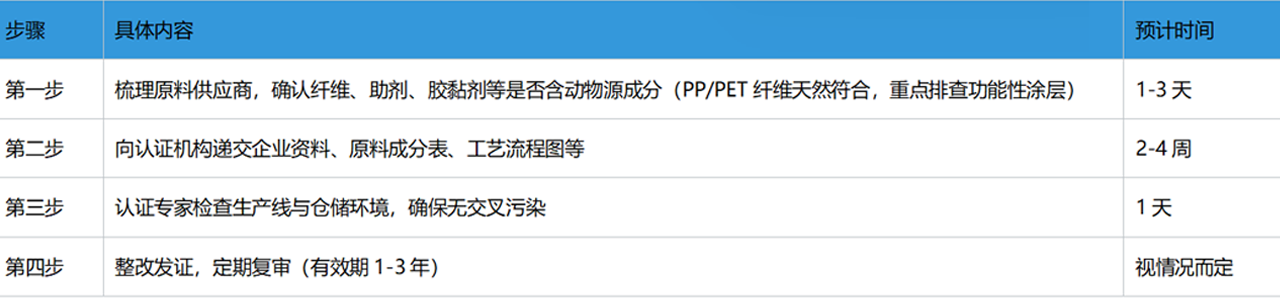
Target market recommendations:
middle EastSoutheast Asian Market → Prioritize applying for halal certificates such as BPJPH (Indonesia), IFANCE, and HFC.
European and American markets → Prioritize applying for international Vegan certifications (such as Vegan Society, V-label, IVA certification) to facilitate entry into mainstream supermarkets and e-commerce channels.
Conclusion
The core keyword for the nonwoven fabric industry in 2026: compliance. Instead of manipulating prices and payment terms in the domestic market, it's better to invest time in obtaining these two international certifications, directly opening up a trillion-dollar new overseas market. Whoever completes the certification process first will gain a competitive advantage in the industry reshuffle.
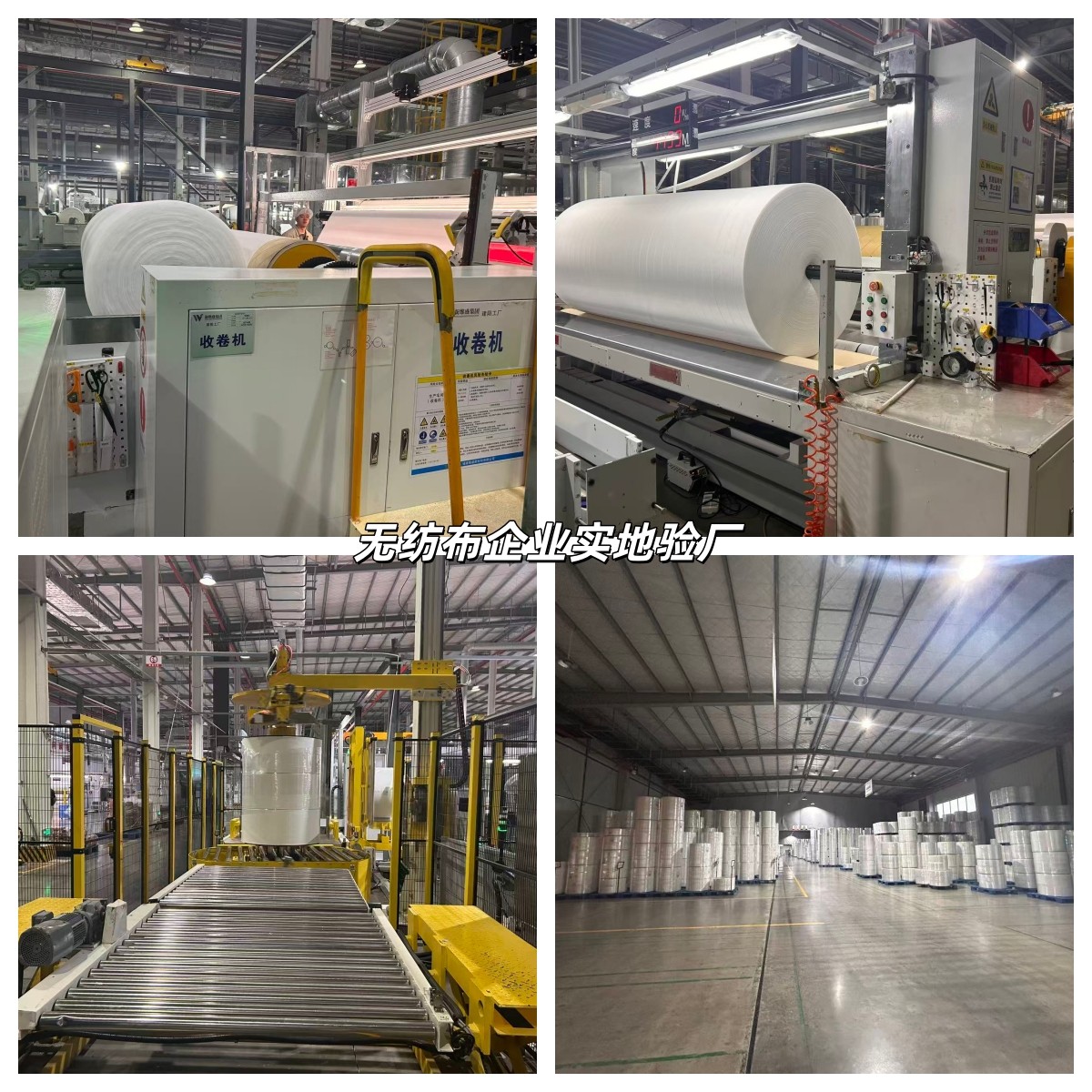
Want to know if your nonwoven products meet the requirements?What are the requirements for Halal/Vegan certification?
Want to know how long it takes to get the certificate and how much it costs?
Should we change our existing suppliers?
Contact us for the most professional certification solutions!