According to Indonesian Government Decree No. 42 of 2024 (PERATURAN PEMERINTAH R...
A new benchmark in the cosmetics industry – “vegan” cosmetics: Vegan certification is no longer a niche label.
2026-03-06
The name Vegan has been around since 1944.Usually refers to veganism orplant-based diet,VeganRepresentativeHe is a strict vegetarian.themI do not eat or use any food containing animal-based ingredients.products.
Vegetarian is a general term for vegetarianism, which is broader than vegan. It mainly refers to a diet that primarily consists of vegetables and does not include animal products.meatkind,The main difference between the two lies in whether or not eggs, dairy products, and honey are consumed.
Jacob's Star has been promotingVegan certification certifies products that contain no ingredients derived from animals. It's not limited to food; cosmetics, daily necessities, textiles, fabrics, shoes, bags… anything that meets vegan certification standards can apply for vegan certification. Cosmetics have become a particularly popular area for vegan certification in recent years.
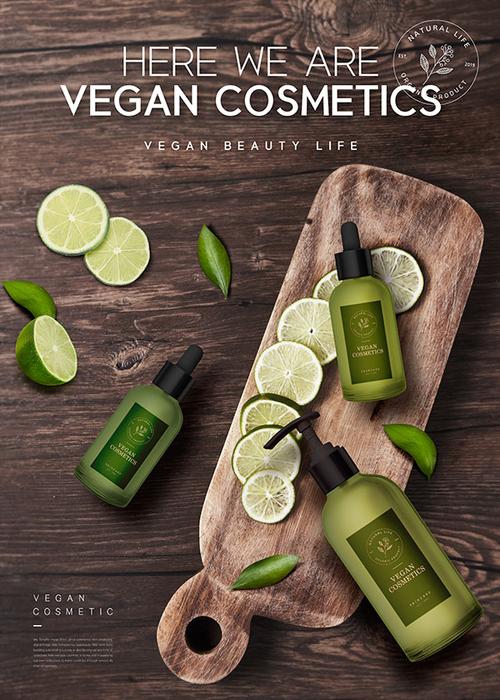
Vegan cosmeticsThe market size is projected to reach approximately US$20.48 billion in 2025 and US$21.88 billion in 2026, with a compound annual growth rate of 6.94% from 2026 to 2034, potentially exceeding US$37.4 billion by 2034. The Asia-Pacific region, represented by China, India, and Japan, is the fastest-growing area, with Generation Z, those with sensitive skin, and pregnant women being the core consumer groups.
futureWithin 3–5 years, "vegan" cosmetics will no longer be a niche label, but a basic requirement for "safety, ethics, and sustainability." The "vegan + cruelty-free + clean" three-in-one selling point will become a standard feature of high-end and mainstream cosmetic brands, and vegan certification will become the cornerstone of consumer trust.